

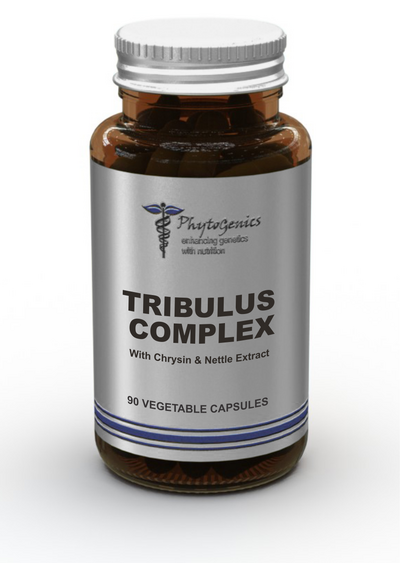
Description
Libido refers to a persons sexual drive or desire for sexual activity. A number of factors can reduce the desire for sex including psychological factors such as stress, fatigue or depression; or physical factors such as hypothyroidism, certain prescription medication (antidepressants, antipsychotics beta blockers) and low testosterone levels in the bloodstream, both in men and in women. Testosterone is one of the major hormones controlling libido in human beings.
In men testosterone levels peak in their 20s and thereafter tend to decrease, continuing to decline throughout the remainder of their lives. This decline may be associated with changes in skin tone and lean muscle mass, depression, anxiety, irritability, insomnia, diminished libido, impotence, mild cognitive impairment, osteoporosis and cardiovascular disease.
Testosterone occurs in two distinct forms in the blood, either in a free form or bound to a protein called sex hormone-binding globulin (SHBG). Only the free form of testosterone is active and functional in the body, the bound form being unavailable to the metabolism. SHBG tends to increase as men age, binding to testosterone in the blood and largely rendering it inactive. In woman the contraceptive pill may also increase the levels of SHBG which tends to bind to sex hormones – including testosterone – making them unavailable to the body, and leading to a loss of libido.
Another factor that affects testosterone levels as we age is an increase in levels of an enzyme called aromatase, which converts testosterone to estrogen (in both men and women), further depleting testosterone levels and increasing estrogen. Because of this men become even more susceptible to symptoms related to diminished testosterone levels, and more prone to the adverse effects of too high estrogen, including prostate enlargement and even prostate cancer.
Treatment is aimed at elevating free testosterone levels in the blood by preventing the binding of testosterone to sex hormone binding globulin (SHBG) and its conversion to estrogen.
In the formula Tribulus elevates the formation of testosterone by the pituitary gland, chrysin prevents the conversion to estrogen and nettle extract prevents binding to SHBG. Other ingredients play a supportive role.
Supplement Facts
Serving Size: 1 capsules
Servings Per Container: 90
| Ingredients | Per Capsule | %RDA |
| Tribulus terrestris extract | 90mg | — |
| Chrysin | 90mg | — |
| Nettle extract | 50mg | — |
| Vitamin B5 (as calcium d-pantothenate) | 15mg | 250 |
| Vitamin C (as ascorbic acid) | 60mg | 100 |
| Vitamin E (as alpha tocopherol acetate) | 30mg | 300 |
| Boron (as amino acid chelate) | 300mcg | — |
| Selenium (as amino acid chelate) | 35mcg | — |
| Zinc (as zinc lactate) | 2mg | 13 |
| Arginine | 20mg | — |
| Citrus bioflavonoids | 6mg | — |
| Hesperidin | 6mg | — |
| Rutin | 6mg | — |
| Bioperine | 2mg | — |
| Encapsulated with a blend of full potency herbs that function as the lubricants, fillers and anti-caking agents involved in the manufacturing process, including barley grass, gum arabic, horsetail, kelp and psyllium | ||
This product contains no egg, sugar, salt, yeast, wheat or dairy products. Free from preservatives, artificial sweeteners, colorants or flavorants
Directions
Take 1 capsule per day or as directed by a healthcare practitioner
Warnings
Keep out of reach of children
Keep tightly closed
Store in a cool, dark location
Keep away from heat and moisture


Reviews
There are no reviews yet.